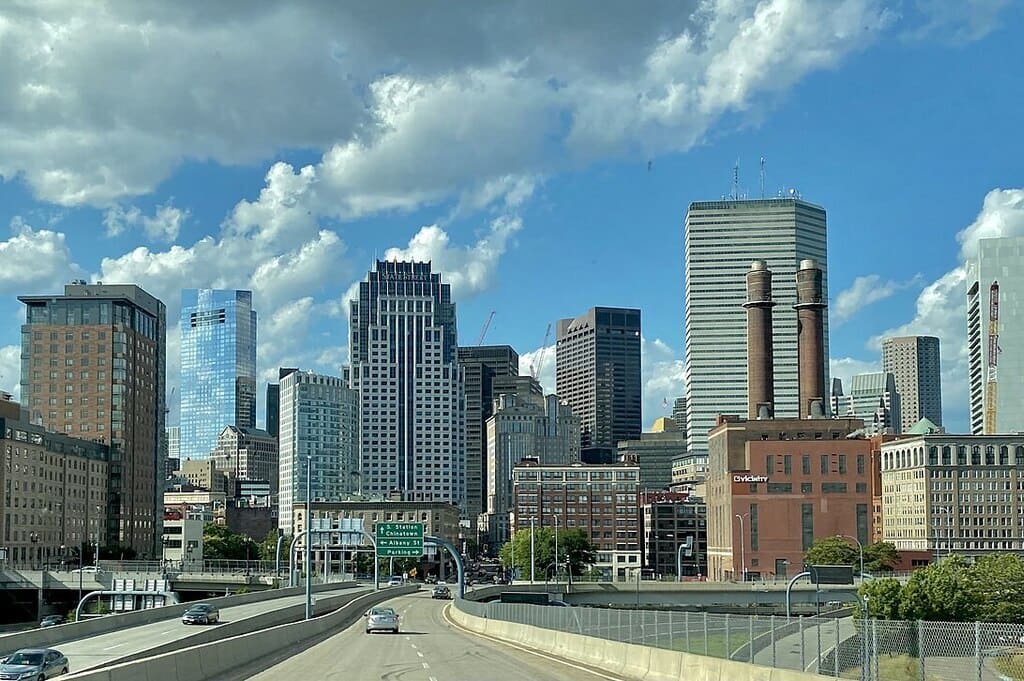
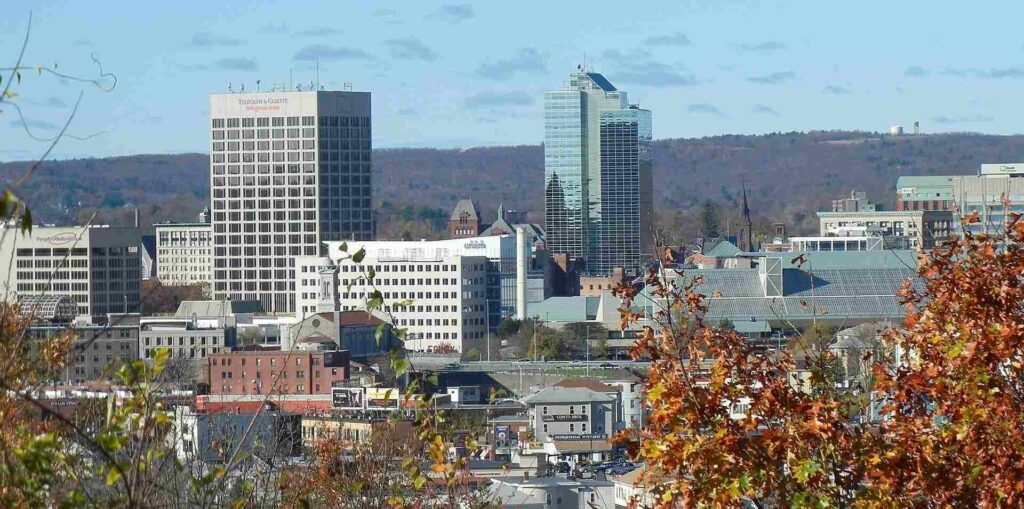
While downtown Boston continues to grapple with extreme space constraints and complex zoning hurdles, the eyes of developers are shifting decisively westward. The latest evidence? A bold proposal for a new 288-unit apartment complex on Harrington Way, located near Worcester Academy. However, this project is more than just a collection of bricks and mortar; it is a clear symptom of Worcester’s transformation into the “second economic engine” of Massachusetts.
Project Details at a Glance
Developer Aris Group LLC, based out of Derby, Connecticut, has laid out an ambitious roadmap: a six-building complex designed not only to alleviate the housing crisis but to redefine land use in Central Mass. The location is undeniably strategic, sitting in close proximity to key educational institutions and major transport arteries that link directly to the Greater Boston area.
The configuration of the development is particularly noteworthy. Out of the 288 proposed units:
-
252 will be market-rate apartments.
-
36 units will be designated as “affordable housing,” meeting local standards aimed at preserving economic diversity within the city.
Why Worcester Matters to the Boston Investor
Historically, Worcester was often viewed through the lens of a declining industrial city. However, in 2026, that narrative has shifted dramatically. Worcester is now home to a flourishing biotechnology and advanced manufacturing sector. Projects like this residential complex are essential to housing a workforce that can no longer afford the price tags of the Seaport or Cambridge but still wishes to remain within the Massachusetts innovation ecosystem.
Furthermore, we cannot ignore the MBTA Commuter Rail factor. With consistent improvements to the “Heart to Hub” express service—connecting Worcester to Boston’s South Station in roughly an hour—Worcester has become a viable, high-tier commuting option. Building 288 units near established residential zones and schools is a direct bet that the professional population will continue its expansion into the heart of the state.
The Challenges of Local Development
As with any major project in Boston, this development has sparked local debate regarding traffic and the impact on infrastructure, particularly given its proximity to a high school. However, from the perspective of OnMarketBoston, we see this as a necessary evolution. For Massachusetts to remain competitive against emerging hubs in Texas or Florida, it needs housing inventory, and it needs it now.
The Worcester demographic is changing; it’s no longer just a student town. It is increasingly populated by young families and tech professionals looking for an urban quality of life that remains attainable.
The Harrington Way project is a vivid reminder that the Massachusetts real estate market is a living organism extending far beyond Commonwealth Avenue. If you are an investor or a real estate professional, Worcester must be on your radar in 2026. Decentralizing housing is the primary key to keeping the flame of economic growth burning across the entire region.