
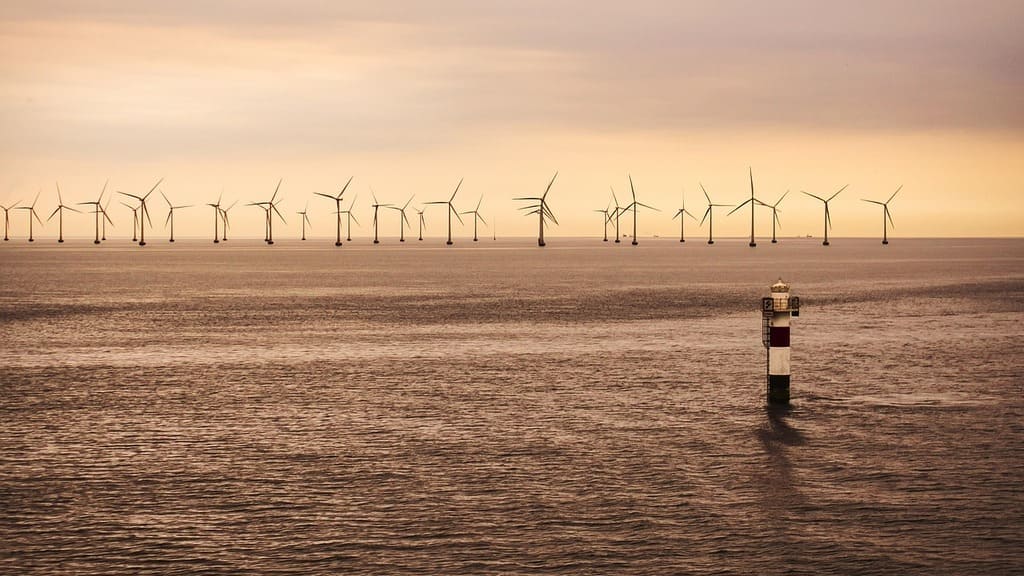
A high-stakes legal clash is unfolding in Massachusetts’ offshore wind sector, putting one of the country’s most closely watched renewable energy projects under fresh scrutiny.
Vineyard Wind, the developer behind a massive wind farm off the coast of Martha’s Vineyard, has filed a lawsuit in Boston aimed at stopping its turbine supplier from exiting the project just as it approaches a critical phase. At the center of the dispute is GE Vernova’s renewable energy unit, which had signaled plans to terminate key service and maintenance agreements by the end of April.
The timing is what makes the case particularly sensitive. Vineyard Wind’s project—valued at roughly $4.5 billion—is already partially operational and widely seen as a cornerstone of the United States’ offshore wind ambitions. Walking away now, the developer argues, would jeopardize not only the project’s completion but also broader confidence in large-scale clean energy investments.
According to court filings, Vineyard Wind claims the turbine manufacturer is attempting to back out at the project’s “most vulnerable stage,” when switching suppliers is no longer a realistic option. The company is seeking an injunction that would force GE to honor its contractual obligations and continue supporting the installation and maintenance of turbines already in place.
GE Vernova, however, paints a different picture. The company contends that Vineyard Wind has withheld hundreds of millions of dollars in payments tied to completed work, giving it the contractual right to terminate the agreement. What’s emerging is not just a contractual disagreement, but a deeper conflict over performance, accountability, and risk allocation in a complex infrastructure project.
The roots of the dispute stretch back to a 2024 incident in which a turbine blade failed and scattered debris along the Massachusetts coastline, triggering delays, cleanup costs, and reputational damage. Vineyard Wind has argued that such issues reflect shortcomings in the manufacturer’s performance—claims that GE disputes.
Beyond the courtroom, the case carries broader implications for the offshore wind industry in Boston and across the East Coast. Projects of this scale depend on tightly coordinated supply chains and long-term partnerships. When those relationships fracture, the financial and operational ripple effects can be significant.
Investors and policymakers will be watching closely. Offshore wind has already faced political headwinds, regulatory uncertainty, and rising costs. A public legal battle between two major players only adds another layer of complexity at a time when the sector is trying to scale.
A hearing on the matter is expected in mid-April. For now, the future of one of America’s flagship renewable energy projects may hinge not on the wind—but on the outcome of a courtroom fight in Boston.