Massachusetts is heading toward one of the most consequential housing policy battles in its recent history — and a new study dropped this week to make sure everyone knows exactly what is at stake.
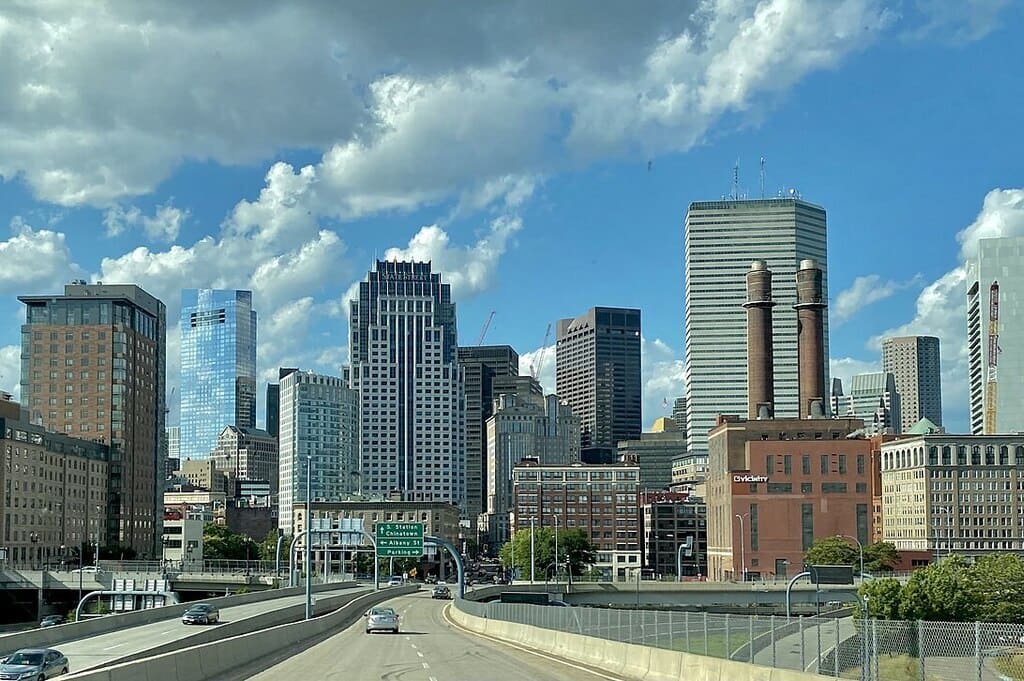
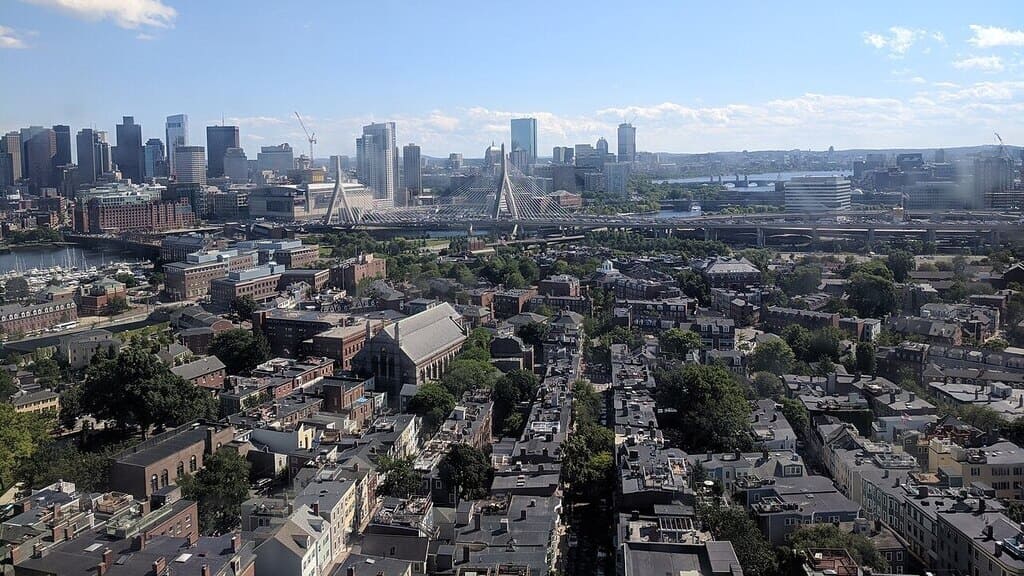
The Greater Boston Real Estate Board, one of the most powerful real estate lobbying groups in the state, commissioned a report through the Tufts Center for State Policy Analysis warning that the rent control ballot measure on track for the November 2026 election would shrink the residential property tax base across Massachusetts by between 6% and 9%. That erosion, the report argues, would compound over a decade and gut the municipal budgets that fund schools, roads, and public services in cities and towns across the state. Boston faces what the report calls a “double challenge” — already struggling with the declining value of downtown office buildings, the city would be particularly exposed to a simultaneous hit to its residential tax base.
The ballot question itself is straightforward in structure: it would cap annual rent increases at either the Consumer Price Index or 5%, whichever is lower. Applied retroactively to rent levels in effect as of January 31, 2026, the measure would exempt owner-occupied buildings with four or fewer units and newly constructed properties during their first ten years. Under this formula, the average allowable rent increase over the past two decades would have been approximately 2.6% per year — well below what most Massachusetts landlords have charged in recent years.
The real estate industry’s alarm is not new, but the Tufts report gives it a quantitative backbone it previously lacked. To project Massachusetts-specific impacts, researchers leaned on two prior studies: one examining what happened to property values in Cambridge after rent control was repealed in 1994, and another analyzing the aftermath of St. Paul, Minnesota’s aggressive 3% rent cap, which voters passed in 2021. St. Paul’s experience is particularly instructive for the opposition’s argument — housing production in that city fell by 80% in the years following the vote, and the St. Paul City Council ultimately voted to roll back the measure earlier this year.
The tenant advocacy side is not backing down. The coalition behind the ballot measure, Keep Massachusetts Home, argues that corporate real estate investors have been systematically acquiring residential properties and imposing dramatic rent increases that have nothing to do with maintenance costs or inflation. The numbers on the renter side are genuinely difficult to argue with: more than half of all renters in the Boston area are classified as cost-burdened, meaning housing consumes more than 30% of their income. More than 27% are severely cost-burdened — paying over half their income on rent and utilities. To afford a standard two-bedroom apartment in Massachusetts at current average rents, a household needs to earn close to $87,000 a year. Only California and Hawaii are more expensive states for renters.
A Suffolk University/Boston Globe poll found that 62.6% of Massachusetts residents say they would vote yes on the measure — a level of public support that helps explain why Beacon Hill has struggled to simply make the issue go away. The Legislature has until May 5th to act on the ballot question directly. If lawmakers do not pass the policy themselves, petitioners must collect an additional 12,429 signatures by mid-July to secure its place on the November ballot. They have already collected more than 124,000 raw signatures in the first round — nearly double what was required.
Governor Maura Healey has voiced opposition. Mayor Michelle Wu, who has advocated for rent control in Boston for years, has signaled support despite acknowledging flaws in the specific language. The fight now moves to Beacon Hill, the courts — a lawsuit is pending before the Supreme Judicial Court — and ultimately, if nothing stops it, to Massachusetts voters in November.
The irony is that both sides are arguing from a position of genuine crisis. Renters are being priced out of communities they have lived in for decades. Landlords and developers warn that capping returns will freeze investment and worsen the supply shortage that caused rents to explode in the first place. Massachusetts is building roughly two housing units per 1,000 residents annually — about a third of the pace of the booming Sun Belt states. Rent control does not build a single additional unit. Whether it buys time for the renters already here is the question Massachusetts voters will have to answer.