The recent electoral results have sent a clear message across the United States: the cost of living—and specifically the housing crisis—is the top priority for voters. While the national discourse, led by the Trump administration, focuses on deregulation and federal land use, Boston faces its own unique reality as one of the most expensive cities in the world.
The “Trump Effect” on Boston
During his campaign and subsequent return to office, Donald Trump has emphasized a “pro-growth” housing agenda. His proposals generally revolve around three pillars that we must extrapolate to our local context:
-
Deregulation and Supply: Trump argues that removing federal “red tape” will lower construction costs. In Boston, however, the “red tape” is largely local. With strict zoning laws in neighborhoods like Back Bay and Beacon Hill, federal deregulation may have a limited impact unless it pressures local municipalities to ease density restrictions.
-
Interest Rates and Inflation: A cornerstone of the Trump platform is the reduction of inflation to lower mortgage rates. For the Boston buyer, who currently faces a median home price exceeding $900,000, a drop in rates is a double-edged sword: it increases purchasing power but also intensifies competition in an already low-inventory market.
-
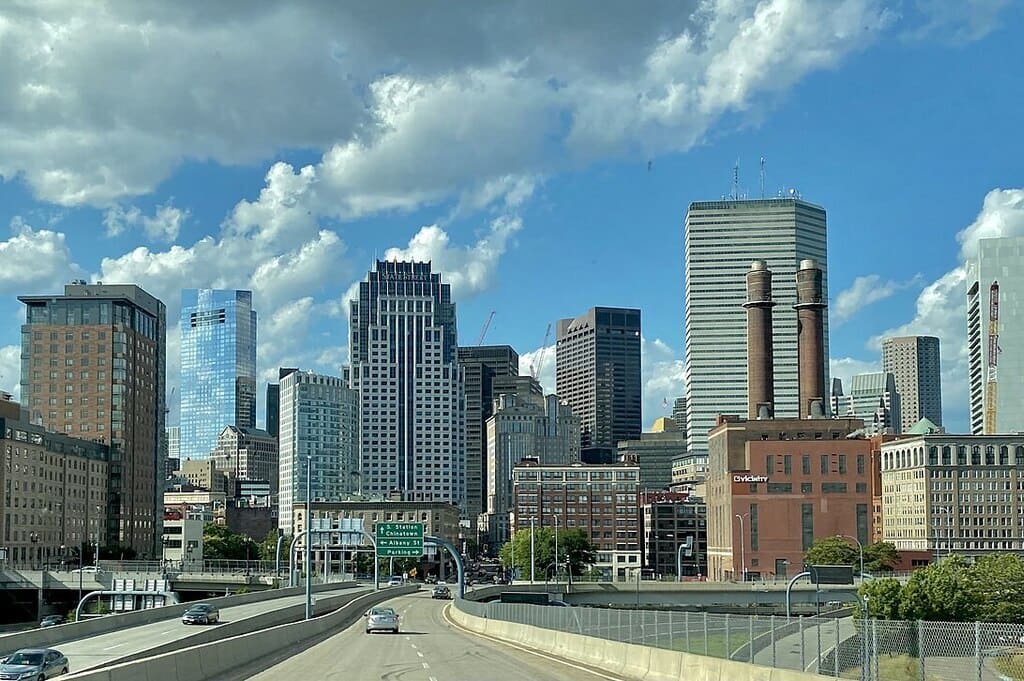
Federal Land Access: While Trump has proposed opening federal lands for housing, Boston is “land-locked” by its geography. Here, the growth isn’t outward, but upward.
Boston by the Numbers: A Market Under Pressure
To understand why the national voter sentiment resonates so strongly in Massachusetts, we must look at the local data that defines our “housing crunch”:
-
Median Home Price: As of early 2026, the median price for a single-family home in the Greater Boston area remains near record highs, making homeownership a distant dream for many tech and healthcare workers.
-
Rental Burden: Over 50% of Boston renters are considered “rent-burdened,” meaning they spend more than 30% of their income on housing. This aligns with the Yahoo Finance report highlighting that voters feel the “cost of shelter” is outstripping wage growth.
-
Inventory Levels: Boston currently has less than a 2-month supply of housing inventory. National policies aimed at incentivizing construction will need to overcome Boston’s high labor costs and complex permitting processes.
The Path Forward for On-Market Investors
For investors and businesses in Boston, the new federal direction suggests a shift toward private-sector incentives. We may see a push for “Opportunity Zones” or tax credits that favor developers who can navigate the high-barrier-to-entry market of Massachusetts.
At OnMarketBoston, we believe that while federal rhetoric focuses on national averages, the Boston market remains an anomaly of high demand and inelastic supply. Navigating the next four years will require a keen eye on how federal tax shifts interact with local zoning reforms like the MBTA Communities Act.