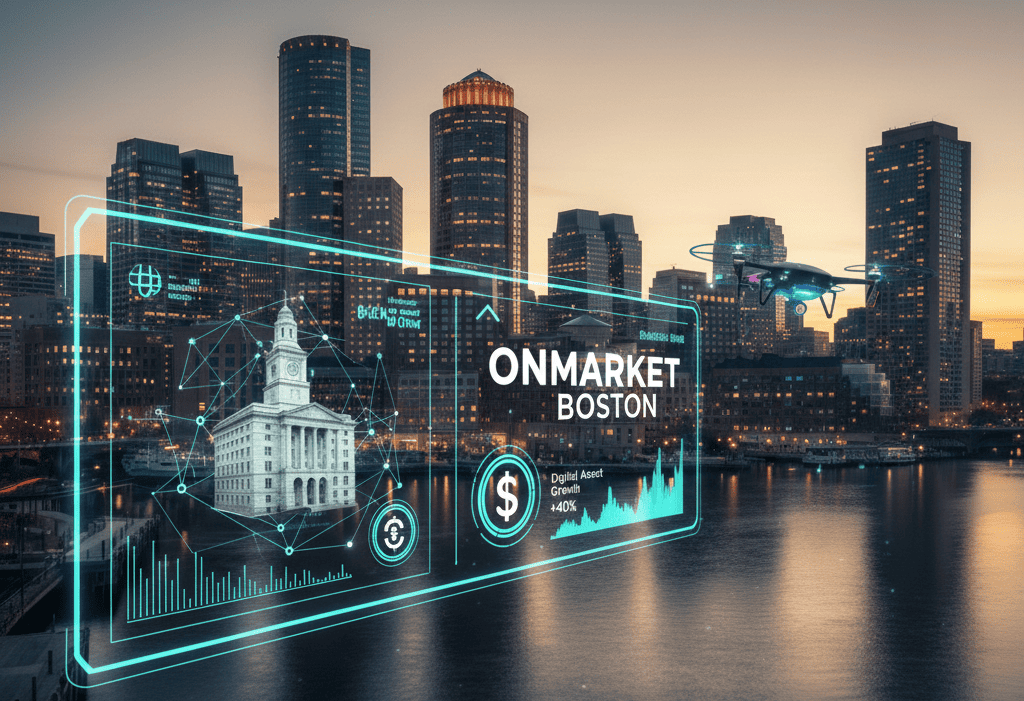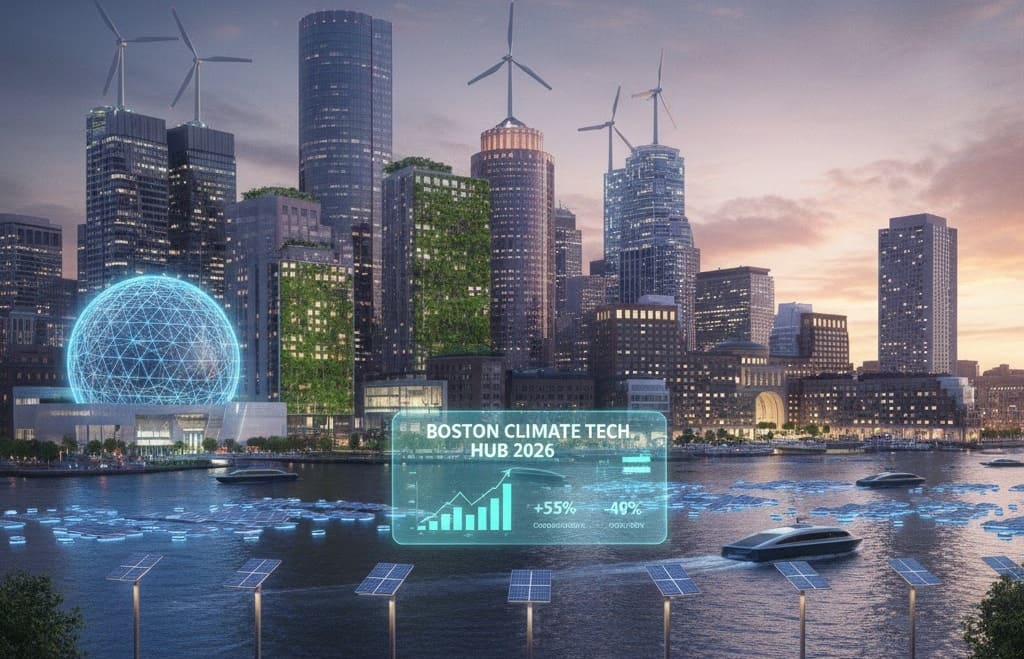
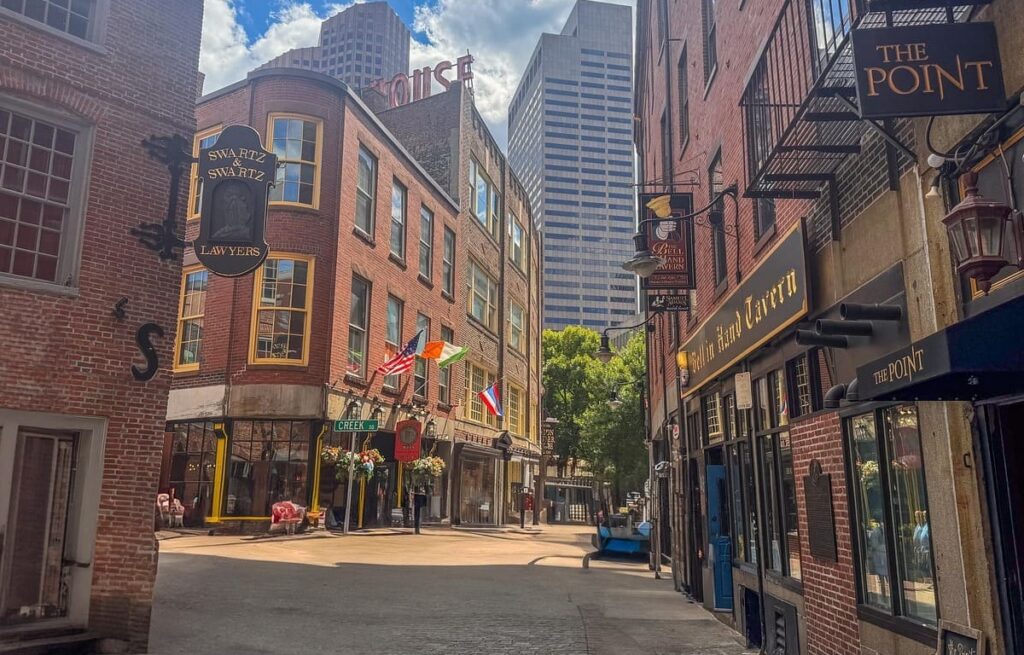
If you walk through the Seaport District today or cross the bridge to Kendall Square, you’ll notice something different. It’s not just the fresh Atlantic air; it’s the energy of an ecosystem that has managed to merge bricks and mortar with digital technology in a way that few cities in the world have achieved.
As someone who closely follows business trends, I’ll tell you why Boston is not just a place to live, but the playing field where the most important games in global technology and finance are being played. We’ll also analyze real estate trends for Boston in 2026. Are you looking for a business opportunity in a city that never stops growing? Well, we’re going to talk about all of that.
The Renaissance of Physical Space: From Apartments to Co-living Hubs
A few years ago, Boston was known primarily for its prestigious universities and historic residential neighborhoods. However, housing demand has taken a fascinating turn.
Today, the old luxury apartments and graduate residences are evolving. We’re no longer just looking for a roof over our heads; we’re looking for community. The rise of co-living spaces for founders has transformed entire buildings into 24/7 incubators. For an entrepreneur, living a wall away from their next partner or investor is the true luxury of 2026. While many have claimed that the co-working business is dead, this goes beyond that. We’re not talking about companies like WeWork. We’re talking about a completely new concept, one that merges personal living with an ideal environment for businesspeople to generate ideas and opportunities. And all without leaving home.
Tech & Real Estate: A Marriage of Convenience
Why does Boston’s real estate sector continue to defy economic downturns? The answer has two letters: I.A. While other cities suffered from office vacancies, Boston held firm thanks to its specialized infrastructure. Kendall Square doesn’t just offer square footage; it offers proximity to MIT and state-of-the-art biotechnology labs.
- Record occupancy: The Innovation District has reached 92% occupancy levels in spaces dedicated to Deep Tech startups.
- Smart Investment: Venture capital is no longer just looking for software; it’s looking for companies that need hardware and labs, anchoring the business to the city’s physical landscape.
What does this mean for your business strategy?
If you’re looking for where to position your next project or investment, Boston offers a stability that the digital world sometimes can’t guarantee. The key to success in 2026 is hybridization: understanding that the real estate market is now a technology service and that technology needs vibrant physical spaces to flourish.
Boston has gone from being a city of “old institutions” to a living laboratory. Whether you’re an investor seeking returns in real estate or a founder looking for talent, the message is clear: On Market Boston is where ideas find their home.
Boston Real Estate Trends Analysis for 2026
The “Lab-Space Effect”: Beyond Traditional Offices
Boston’s real estate market has achieved what many cities envied: the massive conversion of office buildings into life sciences lab spaces.
- Adaptive Conversion: It is estimated that by the end of 2026, more than 1.5 million square feet of traditional office space will have been transformed into Class A laboratories.
- Premium Prices: While standard office rents have stabilized, the cost per square foot in the Seaport for biotech companies has seen an annual increase of 4.5%, solidifying it as the most expensive land on the East Coast.
The “PropTech Startup” Revolution
It’s not just about building, but about how it’s managed. Boston has become the testing ground for PropTech (Property Technology).
- Predictive Management: Local startups are implementing AI systems that predict maintenance needs in large residential complexes, reducing operating costs by 15%.
- Real Estate Tokenization: Following your crypto links, the first real estate asset fractionation projects using blockchain technology have emerged in the Boston metropolitan area, allowing small investors to participate in the ownership of commercial buildings in Back Bay.
The Resurgence of the Residential Sector for Recent Graduates
Talent Retention: The retention rate of college graduates in Boston has risen to 52% by 2026.
New Areas of Interest: Neighborhoods like East Boston and Dorchester are experiencing a boom in “smart home” developments designed specifically for young tech professionals, with rentals that integrate coworking services and high connectivity.
Connectivity and Sustainability: The Real Estate “Green New Deal”
Boston has implemented strict emissions regulations for buildings larger than 20,000 square feet.
Energy Efficiency: Buildings that have upgraded their systems to renewable energy have seen an 8% increase in their appraised value, attracting investment funds that prioritize ESG (Environmental, Social, and Governance) criteria.
The future is being built in Boston (and it’s more human than it seems)
After analyzing office absorption figures, the rise of PropTech, and the transformation of residential spaces, it’s easy to get lost in the coldness of the data. However, if Boston’s evolution in 2026 has taught us anything, it’s that the real estate market is no longer just about square footage or capitalization rates; it’s about purpose and connection.
Looking toward the Seaport District skyline, it’s clear that the city has achieved something almost impossible: preserving its historic soul while becoming a testing ground for the future. We no longer see apartments simply as places to sleep, but as hubs of creativity where recent graduates and startup founders exchange ideas that will change the world. This transition from “purely residential” to “collaborative” is the engine that keeps the flame of our local economy alive.
For those of us immersed in the day-to-day world of business and finance, the message is encouraging: Boston’s stability is not a matter of chance, but rather the result of a firm commitment to sustainable innovation and talent retention. Investing here, or simply participating in this digital conversation, means betting on a growth model that understands that technology (like AI or Blockchain) only makes sense when it improves the places where we live and work.
Ultimately, Boston isn’t just a city on the map; it’s a resilient ecosystem that knows how to adapt to crises by transforming empty offices into biotech labs and student dreams into unicorn companies. If one thing is certain, it’s that the “On Market” in this city never sleeps, it’s always evolving, and, most importantly, it always has room for those looking to make their mark on the next great chapter of innovation.